
Game in Tartu 2026 offered visitors the opportunity to try out computer games created by students, test themselves in virtual reality, and get to know various leisure activity providers. In addition, there were discussions on stage, an entertainment program, and a cosplay masquerade, and the highlight of the event was the Counter-Strike 2 tournament finals held on the second day.
The event took place within the framework of the Erasmus+ project “ACE – ambition, collaboration and e-sports development”, the overall goal of which was to provide young people with knowledge and practical experience in organizing e-sports events. Game in Tartu 2026 was the practical output of the project, which gave young people the opportunity to apply in real life the skills they acquired during the project.
According to Siim Vares, administrative manager of the Tartu Youth Work Centre and main organizer of Game in Tartu, the mission of the entire project and festival was to offer young people the opportunity not to remain just spectators, but to experience during the entire process how ideas are actually implemented and what skills it requires.
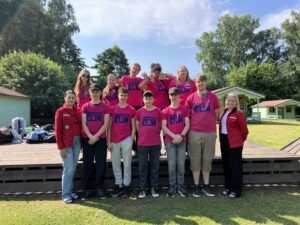
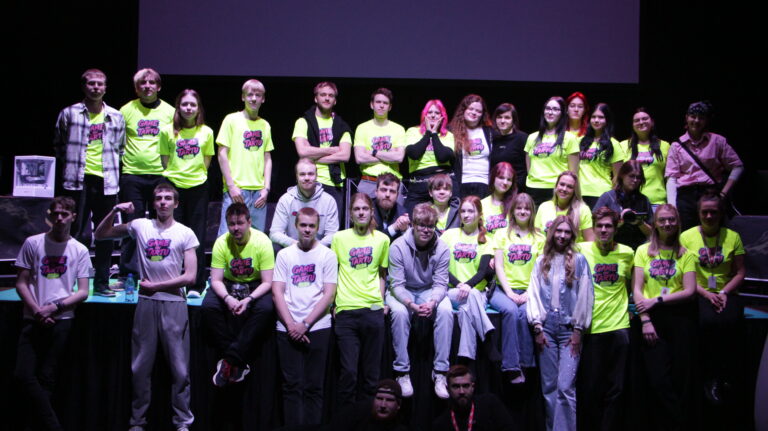
TalTech students and Tartu Applied College VOCO students participated in the organization, who were responsible for the entire organizational process – from technical solutions to marketing and program preparation. The young people were supported by youth workers from the Tartu Youth Work Center.
TalTech students Getter and Juss, who have been involved in the project since the beginning, had previously participated in organizing a smaller e-sports event. Getter joined the Game in Tartu team because “the opportunity to do it on an even bigger scale seemed too tempting to pass up,” and Juss also said he had long wanted to organize something similar again.
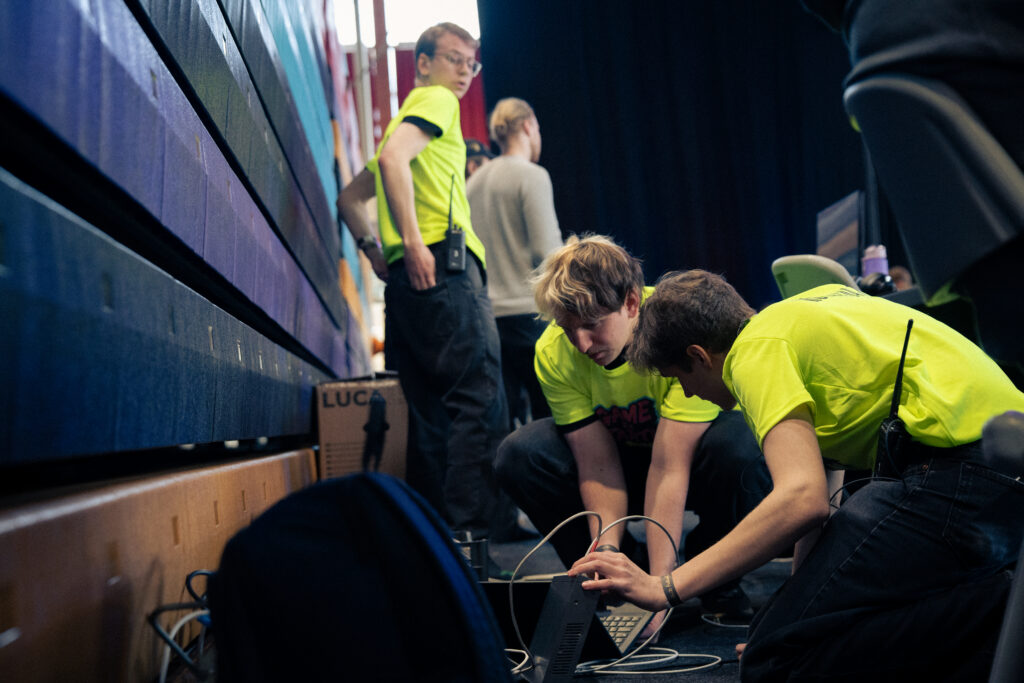
The tasks of the young people were diverse and allowed them to test themselves in different areas. For example, Getter was responsible for the visuals of Game in Tartu and worked on involving streamers. It was the latter that gave him a better understanding of how to really motivate people to participate in the event. Juss focused primarily on the technical side – he managed the servers and created visuals for the live broadcast. According to him, working on the servers turned out to be the most developmental, as several unexpected problems arose with them. “We don’t know for sure what caused all this in the end, but a dying processor is a big suspect,” he added.
There were also more difficult moments in the organization. For Getter, the most stressful part was setting up the event and the first day. “I wouldn’t have expected that setting up the event would take over ten hours, and in fact none of us could sleep properly to be fresh for the event,” he described. Juss also mentioned insomnia, but according to him, he realized that he could still function surprisingly well with little sleep.
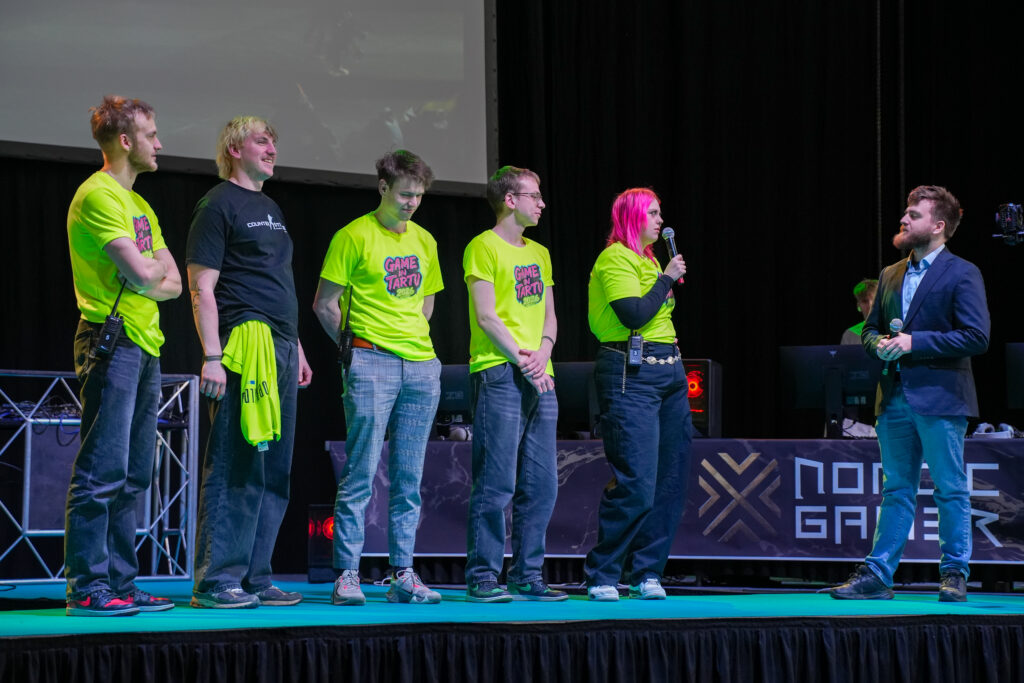
The experience of organizing both the project and the festival showed both young people and youth workers that organizing an event teaches more than just technical skills. It requires cooperation, taking responsibility and a willingness to solve unexpected situations. Game in Tartu 2026 gave young people the opportunity to really practice these skills and experience what it means to implement a large event from start to finish.
As with most of the team, it was the first time for the youth workers to organize a festival of this size. Gert, a digital youth worker at the Tartu Youth Work Centre, noted: “Since it was the first event, there was inevitably a lot of uncertainty and we were prepared for something to have to be changed at the last minute. It was all the more powerful to see how smoothly everything went in the end. For me, the technical side was particularly impressive – the young people there, to be honest, knew more than the youth workers and that showed how competent they really are.”
Despite the difficulties, the event provided the organizing team with many positive emotions. “It was always nice to be there and think that we did it all ourselves,” said Getter.
When asked what advice they would give to a young person who wants to participate in organizing an event for the first time, both answered similarly – it's worth just trying! According to Getter, there's no need to be afraid, because only by trying it out can you understand whether it's suitable. However, Juss emphasized the importance of teamwork:
"Teamwork is very important, don't be afraid to communicate. That's where the most important part of organizing comes from. The more you put your heart into it, the cooler it will turn out."
Juss
Author: Helene Toomeoks