
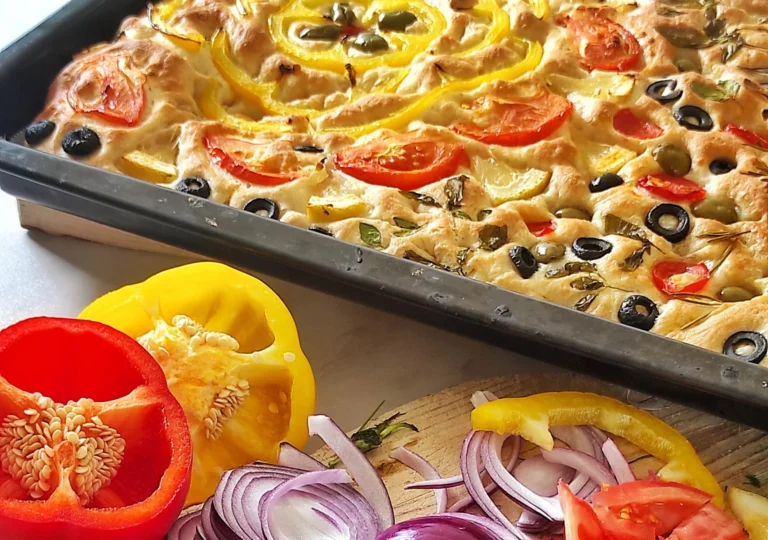
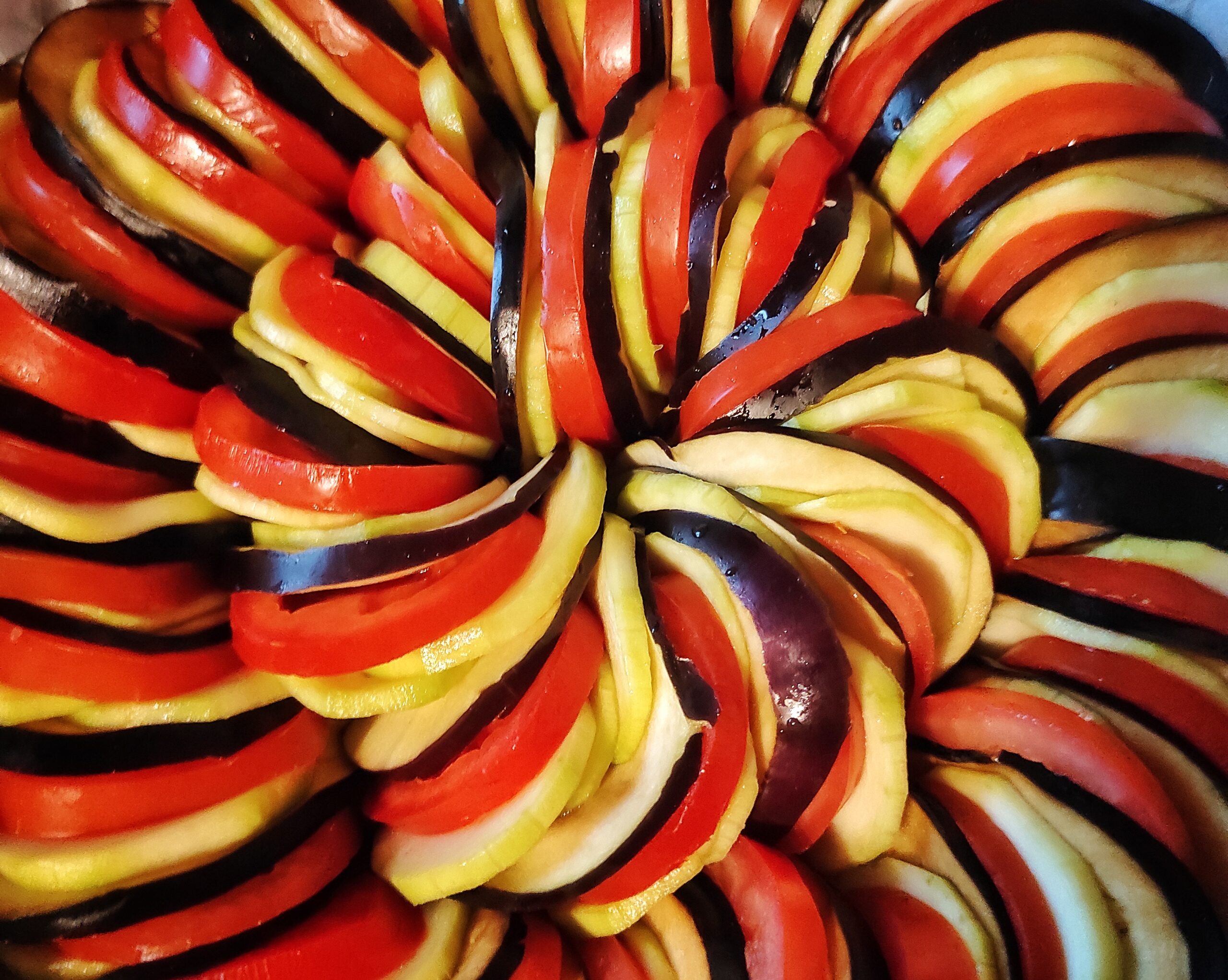
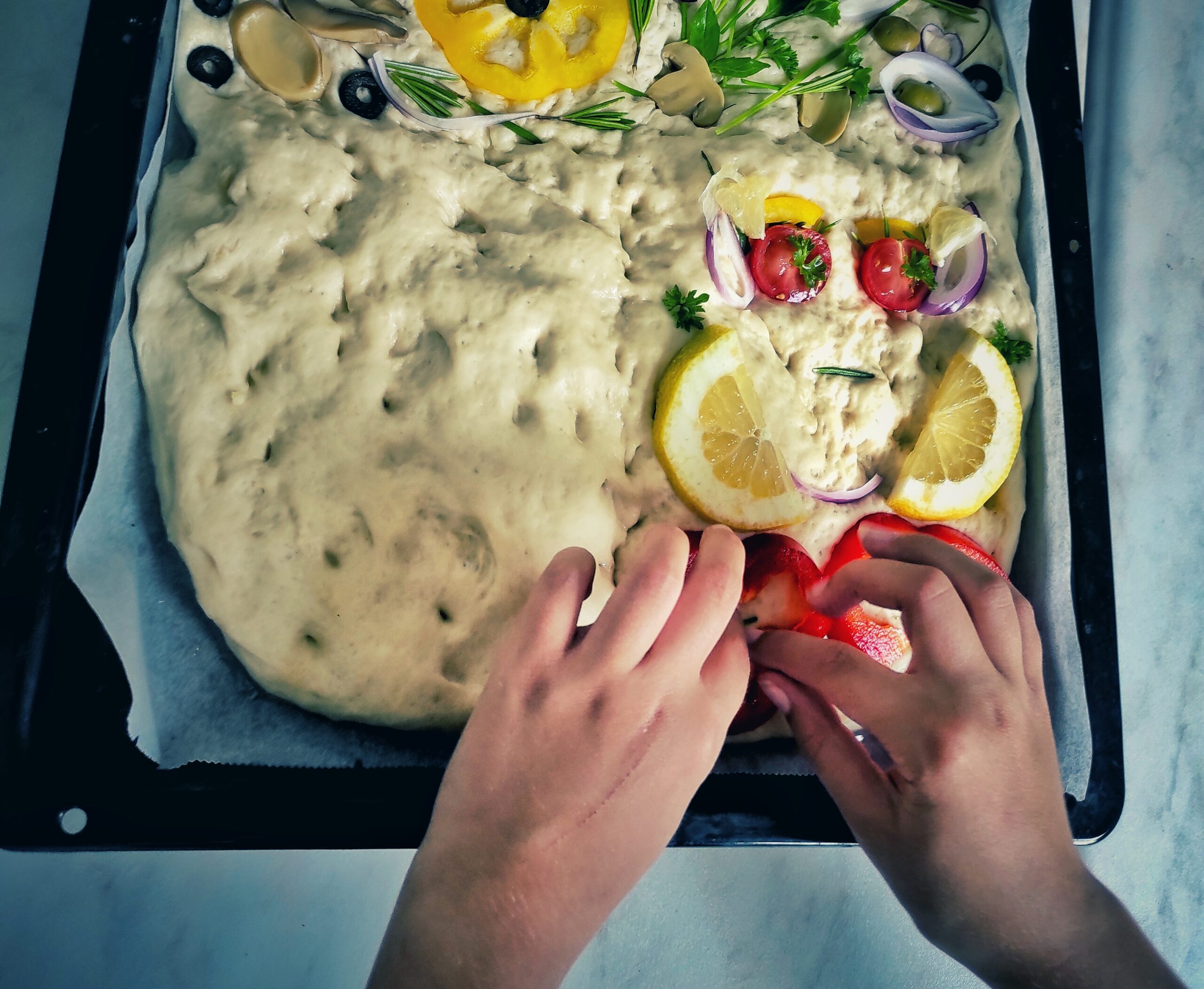
Do do you know national dishes, that I mentioned in the title? Where country are from from, what ethnic groups are these foods often on the table, which food are placed there in? If not know, then I will: mamalõgat is eaten in Ukraine, focaccia is Italian bread with various toppings, family bake Udmurt and ratatouille are just one rat name Pixar cartoon, only French dish made from eggplant, tomatoes and zucchini.
 In this in the article I want I to emphasize of cooking cultures between by. About the cooking club is already many written, Naturally is cooking club most more popular activity in the youth room. Young people learn functional reading and calculation, developing fine motor skills, also learn they to work as a team, to take responsibility, to distribute roles, to involve and to delegate. Certainly likes for young people of cooking magic: how raw ingredients are transforming of chefs hand Below one of for a cake, for soup or for dinner. And at the end can own work results Don't to eat Also!
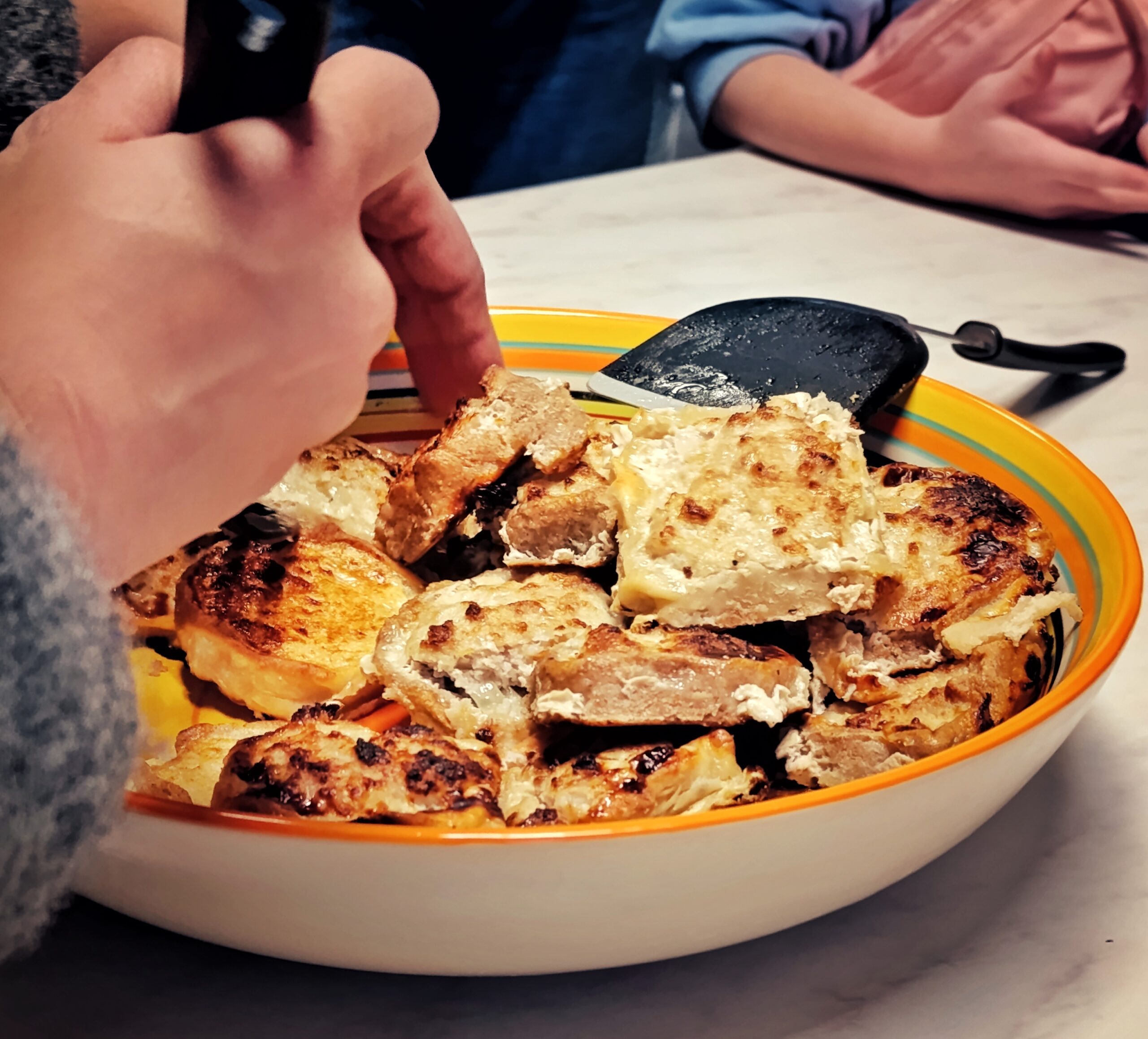
 But what is more very important, is of cooking cultural aspect: Insight various peoples ellu and into practices, second culture Probing through flavors, understanding, that world is very versatile. In Estonia is eaten corn relatively little, usually in salads and may-to be pizza on. In Ukraine corn is dried and is ground for groats, from this is cooked porridge, where is added cheese and is eaten savory (and so will be completed mamalõga!). Familiar cabbage jumps together with egg open serrated meat pie In and can Udmurt pefor rehearsal and young person can known, that Udmurts living In Russia and belong also Finno-Ugric of tribes down like Estonians too.
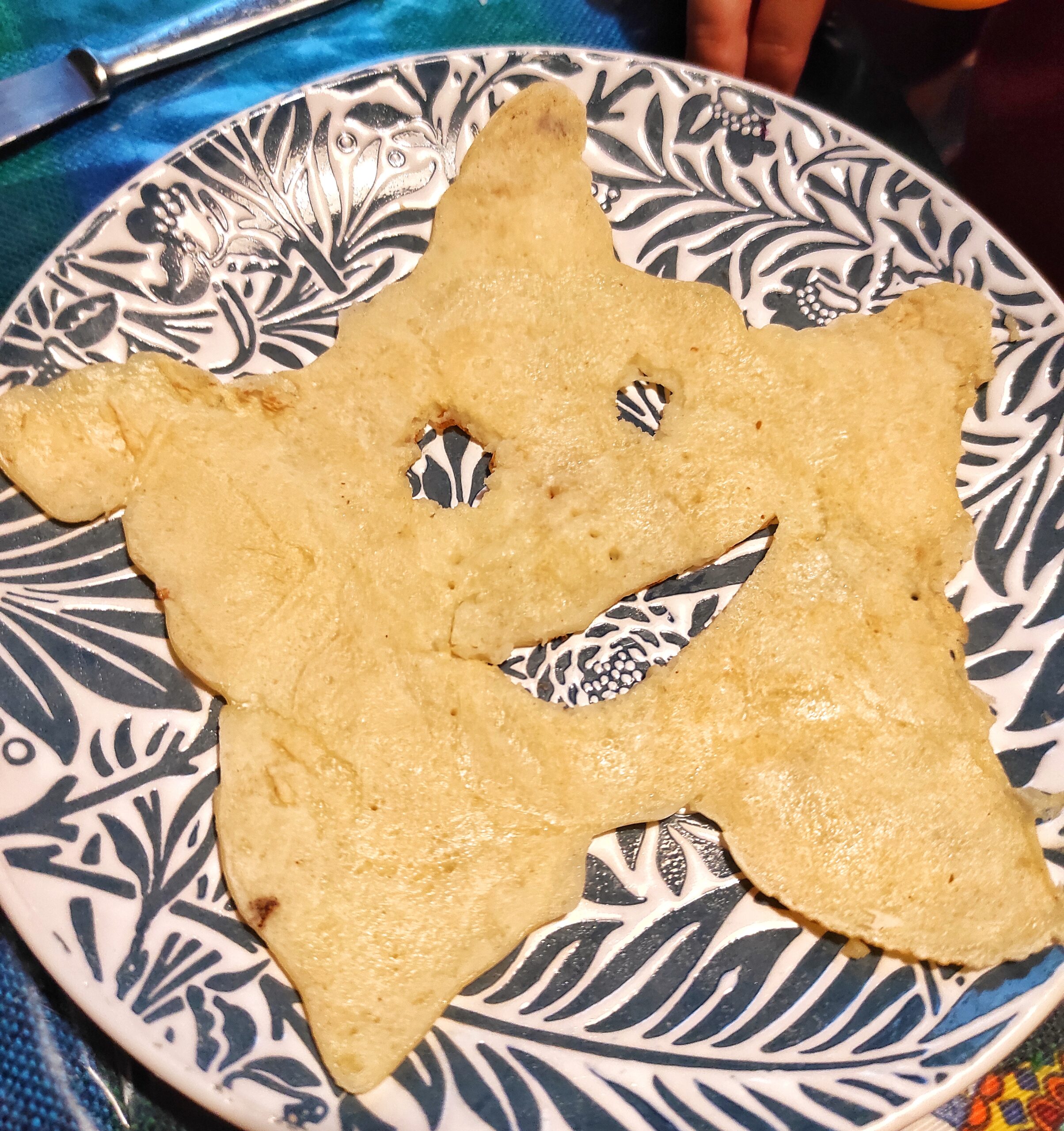
 Unusual flavors broaden horizons, allowing the mind to travel to different corners of the world through taste. Russian blini, Estonian blueberry jam, and Ukrainian draniki (potato pancakes) can freely meet on one table. Through the cooking club, young people can be introduced to openness and tolerance, 'infected' with a desire to explore geography and history, and encouraged to look at their classmates or other youth club members with a different perspective.
 You don't always have to use recipes from other cultures – Estonian cuisine also has plenty of treasures to discover with young people. This is especially true when most of the visitors to the youth center come from families with Russian or Ukrainian backgrounds. The way to the heart is through the stomach. Even the heart of your loved ones.
Julia Barsukova