
Diversity, equity, and inclusion in youth work mean creating a safe and supportive environment where differences are not only acknowledged but also genuinely valued and encouraged.
This means ensuring equal access, active participation, and a sense of belonging for all young people. This approach goes beyond simply taking into account differences in origin, gender, abilities, or orientation; it is aimed at removing barriers, expanding opportunities for smaller and minority groups, and ensuring their full inclusion in all activities.
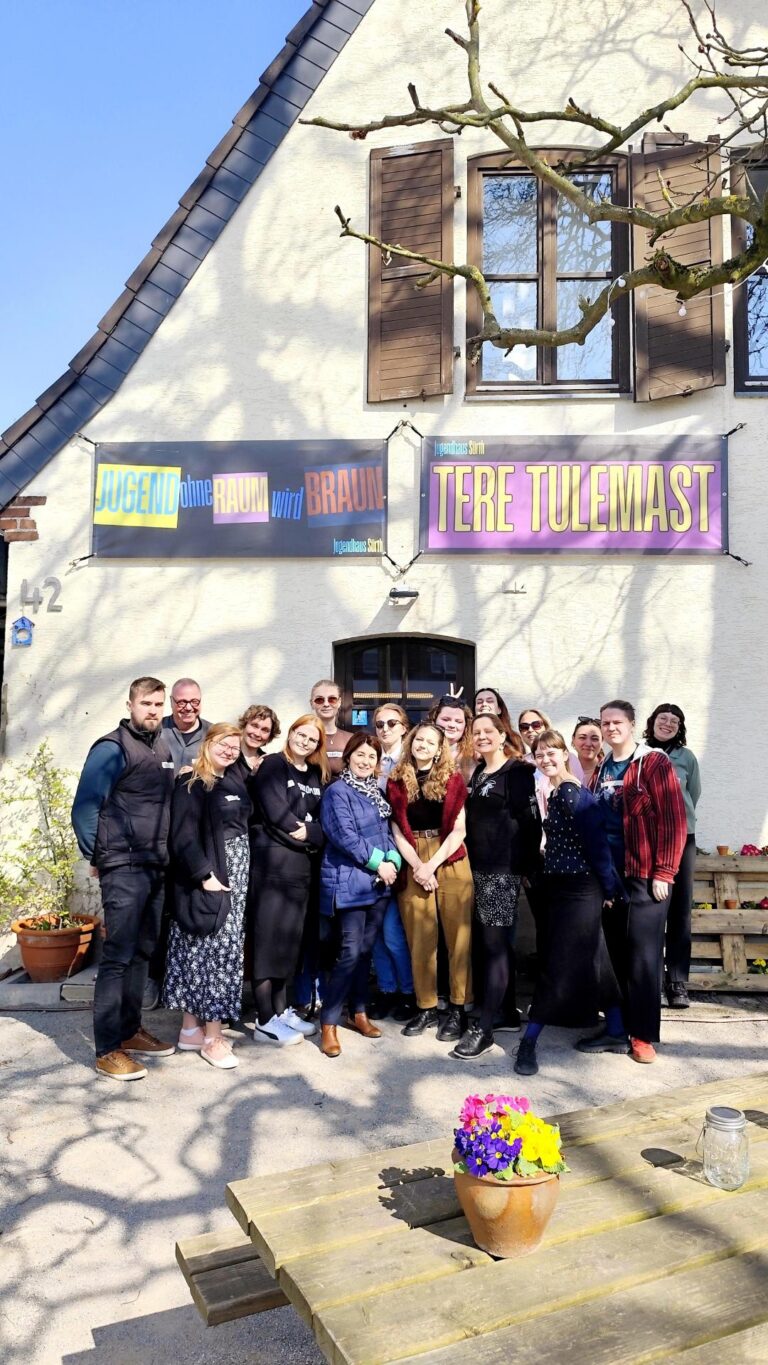
It was precisely inclusion in its broadest sense that was the main focus of our team’s study trip to Germany.
It must be said that we were very fortunate with our partner organization. Miteinander leben e.V. is a team of wonderful people—experienced social workers who, since as early as 1965, have been among the first to address the issue of inclusion and create an inclusive environment around them. We visited the Zürth Youth Center, where we spent the whole day playing with the young people, discussing various topics, and participating in an exciting clay workshop.
We were also invited to a weekly party on Friday evening, where people with disabilities gather to have a good time in a safe environment.
Cologne itself is a very open, progressive, and liberal city. It supports many initiatives that may differ from those in other parts of Germany.
As part of our study trip, we visited several very interesting organizations. For example, we went to a colorful place—the bar run by the organization Anyway. This bar is no different from other bars in any way, except that it’s a gathering place for queer youth and the parties there are specifically for them.
The organization Anyway works with LGBTIQ+ youth, including young people with experiences of emigration and refugee life. The organization’s work is supported by city authorities, and it is largely a driving force for diversity and inclusion throughout the region. The organization’s facilities and services are also accessible to queer youth with disabilities.
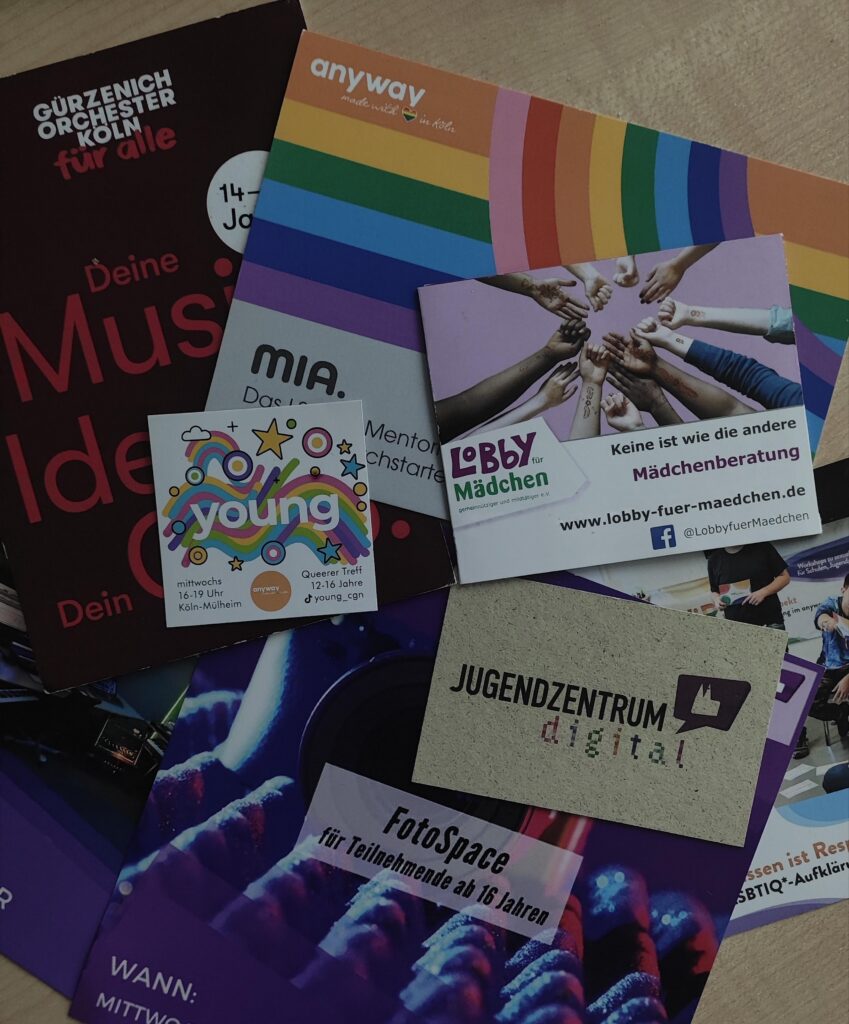
During our trip, we also visited the organization Lobby für Mädchen —a center for girls and young women. How did the need for such a gender-specific center arise? As we were told, there were several reasons. First, according to statistics, youth centers are visited more by boys. Second, many girls prefer to discuss issues among other girls, feeling safe and protected, especially if they have had traumatic experiences in the past. And third, the staff and counselors at this youth center are also women who serve as role models and have sufficient experience to address various issues. Boys and men are not welcome at this center.
Another organization, with which we spent a truly memorable and unforgettable day, carries out tasks that are just as important in the field of inclusion. AWO KÖLN —an organization dedicated to outreach work. They work in various parts of the city, helping young people with various issues, participating in city events, and offering necessary support and assistance based on the unconditional principle of “always accept, never judge.” In addition to interactive street work, youth workers provide individual support to young people (including online) on a 1:1 basis when needed. The organization actively collaborates with other organizations and participates in numerous projects.
JUGENDZENTRUM digital left just as strong an impression on us. It seems to me that absolutely every young person who comes there finds an activity that speaks to them and feels inspired to get involved in a project. This place is simply brimming with creativity, opportunities, ideas, and digital projects. Music, photography, podcasts, films, dubbing, game development, as well as all kinds of wood and metalwork—everything is available. Plus, top-notch professionals are always there to help the young people. No one on our team wanted to leave. And touching on the topic of inclusion again—this youth center is also accessible to young people with disabilities. These young people participate in projects and are also invited (for example) to test software products created by the young people themselves. This is done to ensure accessibility for people with disabilities and to make the final product better and more accessible.
Although the trip lasted only a week, it taught us a great deal, broadened our understanding of diversity and inclusion, provided answers to various questions, and highlighted opportunities and solutions.
In conclusion, I would like to return to the basic concepts:
Diversity – recognizing and valuing unique differences, including ethnicity, culture, religion, gender, sexual orientation, physical characteristics, and socioeconomic background.
Equality – recognizing that every young person faces different circumstances, and ensuring the specific resources needed to achieve equality.
Inclusion – creating a culture where every young person feels valued, safe, and comfortable, without having to compromise their individuality or beliefs in any way.
Let’s remember that everyone’s work and efforts aimed at creating an inclusive space directly contribute to an inclusive society!
Written by Sofiia Pasternak, a youth worker at the Anne Youth Center and one of the organizers of the study trip to Germany.