
An international study, published in 2021 in the Journal of Social Policy, highlights young people's direct experiences in open youth work in six European countries, including Estonia. The study collected over 800 personal stories from young people, with Estonia's contribution being the largest. Young people were asked, what changes had occurred in their lives thanks to their participation in youth work. A clear picture emerged from the answers: youth work is not merely about organizing activities for young people, but an important space for self-development and communication.
Most frequently, young people highlighted that youth work helped them become braver and more confident. They described how they learned to believe in themselves more, express their thoughts, and have a more positive attitude towards themselves and others. They also pointed out how, thanks to the youth work experience, they feel more positive about themselves, their lives, and their surroundings.
Secondly, young people highlighted the creation of friendships, pointing out that thanks to youth centers, they have found people with whom they have developed stronger bonds, contributing to a sense of belonging and mutual understanding. The study highlights how friendships are often seen in politics as a means of increasing participation, but for young people themselves, friendship is an end in itself. Young people also emphasized how they see the youth center as a safe and free space where everyone is accepted, being an environment where every young person can be themselves.
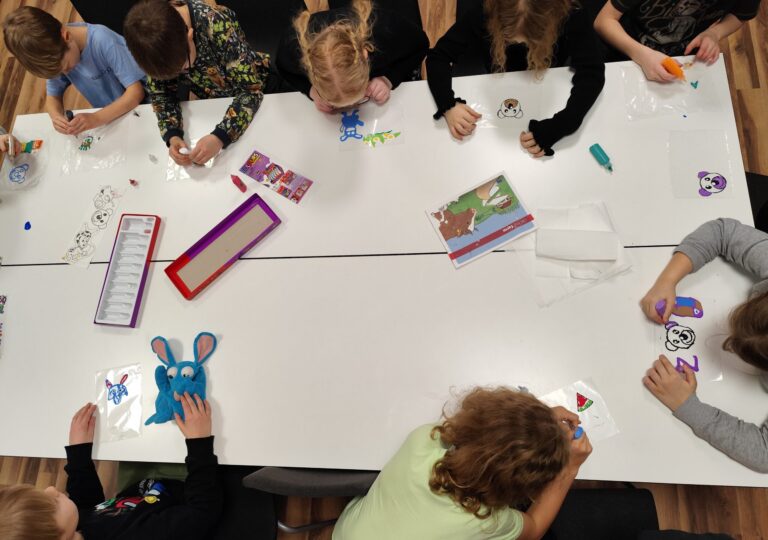
Young people described that youth work offered them opportunities for new experiences outside the formal education system. This was achieved through acquiring new skills and abilities, such as cooking and organizing events, which increased their sense of responsibility and organizational skills. Regarding social inclusion, young people highlighted that youth work helped them better cope with life's and societal expectations. Many young people found new job and career opportunities through youth work or returned to their studies. Additionally, risk-taking behavior related to alcohol and drugs decreased, and a caring and supportive attitude towards others strengthened.
The study's conclusion emphasizes that the value of youth work lies in its ability to offer young people a sense of belonging, learning from experience, and support. For youth work to remain meaningful to young people, the central role of friendship and experiential learning must be recognized in policy.
The author of the story is Greete Kurrusk, a youth worker at Lillekese Youth Centre.
Sources used:
Ord, J., Carletti, M., Morciano, D., Siurala, L., Dansac, C., Cooper, S., Fyfe, I., Kötsi, K., Sinisalo-Juha, E., Taru, M., & Zentner, M. (2021). European youth work policy and young people’s experience of open access youth work. Journal of Social Policy, 51(2), 303–323. https://doi.org/10.1017/S0047279421000143