
Mobile Youth Work – Present Where Young People Are

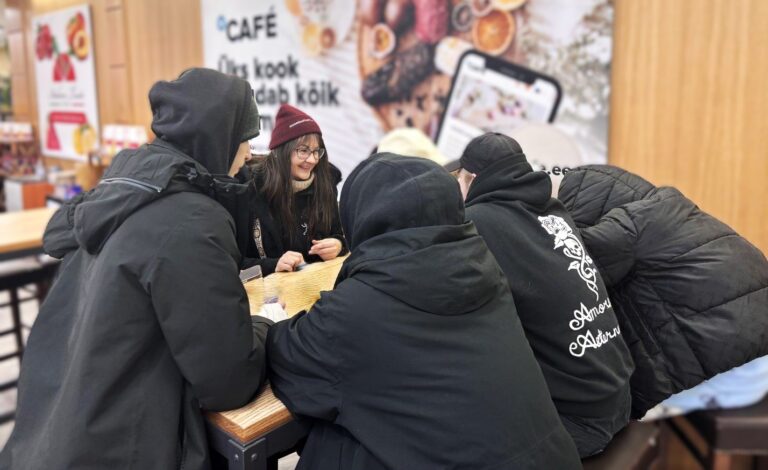
It's late afternoon. A group of young people stands in front of the shopping center. Some are scrolling on their phones, while others are simply chatting. Two adults approach them, neither asking why the young people are there nor telling them to leave. They don't immediately ask anything important, but simply say: "Hi, how's it going? Would you like to chat with us for a bit?" This is often how mobile youth work, or MoNo, begins.

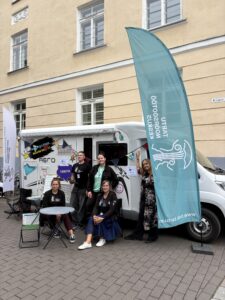
Mobile youth work means meeting young people in their own environment – on the street, in parks, skate parks, bus stops, or even online. It is a form of youth work that moves with young people and adapts to their life rhythm and needs. A mobile youth worker doesn't wait for young people to come to them – they go to the young people.

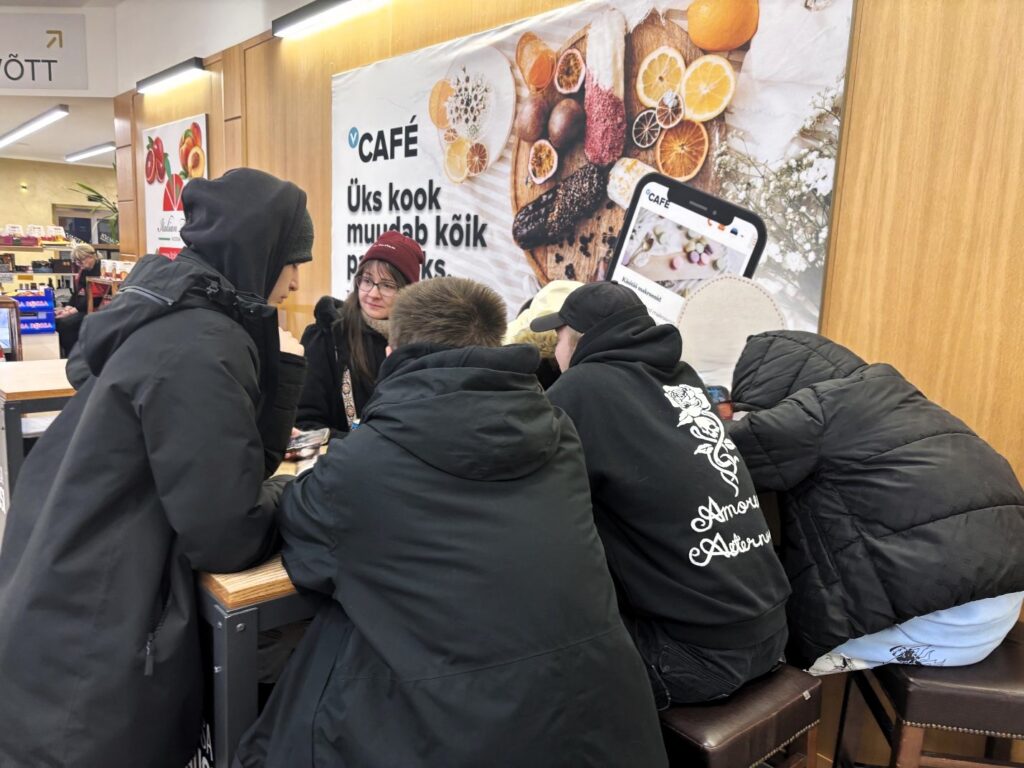
At the heart of mobile youth work is trust. It cannot be forced or rushed. It often takes time before a young person even starts to talk. Initially, there are small conversations, a shared card game, or simply being together. The role of the youth worker is not to teach or correct, but to notice, listen, and be present.
The principle of mobile youth work is simple: the young person is an equal partner. The work proceeds at the young person's pace and according to their interests. Participation is always voluntary, as is generally the case in youth work. If a young person does not wish to speak, that is respected. If they want to ask or share, there is someone who will listen.

Over time, a young person may start to open up more about their life. Some talk about school, where it's difficult to concentrate. Others admit they no longer attend school or work and don't know what to do next. In such situations, a mobile youth worker plays a crucial role – they help the young person understand their options and, if necessary, guide them to appropriate support.

Mobile youth work does not only mean street work or work in open spaces. It also includes individual work, group activities, community work, and cooperation with other specialists. For example, a contact made on the street can lead to group activities at a youth center or a joint initiative in the community. Young people can try new roles, learn communication, and feel that they belong somewhere.

A significant part of mobile youth work also takes place in the digital environment. Social media and chat platforms are a natural public space for today's youth. Information is shared there, activities are promoted, and contact is maintained with those who are not always met on the street. Digital presence helps maintain connection and visibility where young people already are.

Often, a mobile youth worker reaches young people before problems escalate. Early detection, calm conversation, and consistent presence can help a young person find support before they are truly left alone. 

Mobile youth work is not a quick fix or a project with immediate results. It is continuous work in building relationships. Sometimes, the biggest progress is when a young person says "Hello" for the first time. Sometimes, it's when they dare to ask for help. 

And often it is enough for someone to be present – at the right time and in the right place. 

Riin Juurma
Coordinator of Mobile Youth Work and Head of Lille Youth Center
news:

The Tartu Work Brigade is opening its anniversary exhibition today at the Tartu City Museum!

Today, April 17 at 4 p.m., the Tartu Youth Work Brigade’s 30th anniversary exhibition will open in the courtyard of the Tartu City Museum, bringing together brigade members from different generations and telling the story of how young people’s work habits have evolved over three decades. For many young people aged 13–19, the Tartu Youth Work Brigade has been their first exposure to working life. Over the course of thirty years, thousands of young people from Tartu have participated in the brigade,

Read more »

Diversity, Equality, and Inclusion — Our German Learning Mobility Program

Diversity, equity, and inclusion in youth work mean creating a safe and supportive environment where differences are not only acknowledged but also genuinely valued and encouraged. This means ensuring equal access, active participation, and a sense of belonging for all young people. This approach goes beyond merely taking into account differences in origin, gender, abilities, or orientation; it is aimed at removing barriers, expanding opportunities for marginalized and minority groups, and ensuring their full inclusion in all activities. Inclusion

Read more »

For Your Information: Sleep as a Superpower

With the arrival of spring—accompanied by birdsong and the awakening of nature—comes a period that is stressful and hectic for so many young people and adults alike. Whether it’s due to graduations, the final stages of various projects, or simply the anticipation of summer. During this time, it’s important to take care of your health and maintain your routines, one of the most important of which is a healthy sleep routine

Read more »

Connected internationally! A week in Latvia—fun, interesting, and memorable!

Eight young people from the Tartu Youth Work Center had the amazing opportunity to take part in the “Toolbox for Tomorrow” youth exchange in Latvia, which focused on digital tools, environmental development, design, and storytelling. Over 40 young people from Estonia, Latvia, Turkey, Italy, and Hungary took part in the youth exchange. On March 7, we set off with the group from Tartu train station toward Valmiera,

Read more »

The Erasmus+ project gave young people the opportunity to organize their own esports event

At the end of February, the A. Le Coq Sport Sports Center was filled with e-sports enthusiasts for the Game in Tartu 2026 festival, dedicated to gaming culture. Over the course of two days, nearly 500 people from across Estonia visited the event; 20 organizations showcased their activities; and more than 50 organizers and volunteers contributed to the festival’s success. As part of Game in Tartu 2026, there was

Read more »

The Tartu Youth Work Brigade is celebrating its 30th anniversary with a new visual identity

This year marks the 30th anniversary of the Tartu Youth Work Brigade. This is a significant milestone that demonstrates Tartu’s consistent commitment to providing young people with their first work experiences, fostering their independence, and developing their social skills. To mark the anniversary, the work camp has also received a new visual identity that uses vibrant colors to reflect the energy of young people and brings together symbols that are important to the camp participants.

Read more »

School Break City Camp – One Day, One Place, Lots of Fun!

We put together a varied program for every school break, but City Camp Day is the most special day of the entire break. On this day, Tartu’s youth gather at a single youth center. While all five centers are usually open, during City Camp, activities take place in just one location. This gives young people the chance to visit a place they might not otherwise go to on a daily basis

Read more »