
At the beginning of February, a digital youth worker started in the Tartu Youth Work Center team – this is a role that helps bring youth work to where young people spend a large part of their time: Discord, Instagram, TikTok, Snapchat, and Twitch. In these environments, young people can ask for information, get initial advice, and participate in online activities.
Many young people never visit youth centers or are not visible in the urban landscape, yet they also need information about available opportunities, where to find help, and how to get support for their concerns so they don't feel alone.
In addition to counseling and information exchange, the digital youth worker also plans to organize:
🎮 game nights (CS2, Rocket League, Fortnite, Jackbox, etc.)
🧠 quizzes
💬 chat & chill – let's talk about life, thoughts, and whatever else is important right now
Gert, a youth worker already familiar from the Lille youth center, started as a digital youth worker and also continues to work in the youth room. On digital platforms, he is mainly in contact with young people in the evenings and on weekends. The exact times he is online can be found on his Instagram (@diginoorsootootartu).
Gert is developing a digital youth work service within the framework of the Erasmus+ project "Youth Work 360° – mobile, digital, inclusive and accessible". The results of the pilot project will help shape sustainable and truly necessary digital youth work solutions for young people in the future.
You can contact Gerda using the following links:
Discord: https://bit.ly/tntkdisc
Instagram: https://www.instagram.com/diginoorsootootartu
Snapchat: https://www.snapchat.com/@g_jurjo
Twitch: https://www.twitch.tv/digigert
TikTok: https://www.tiktok.com/@tartuntk
In the January newsletter of Tartu Youth Work Centre, readers found a short interview with Gerd. We are adding it here in its original form.
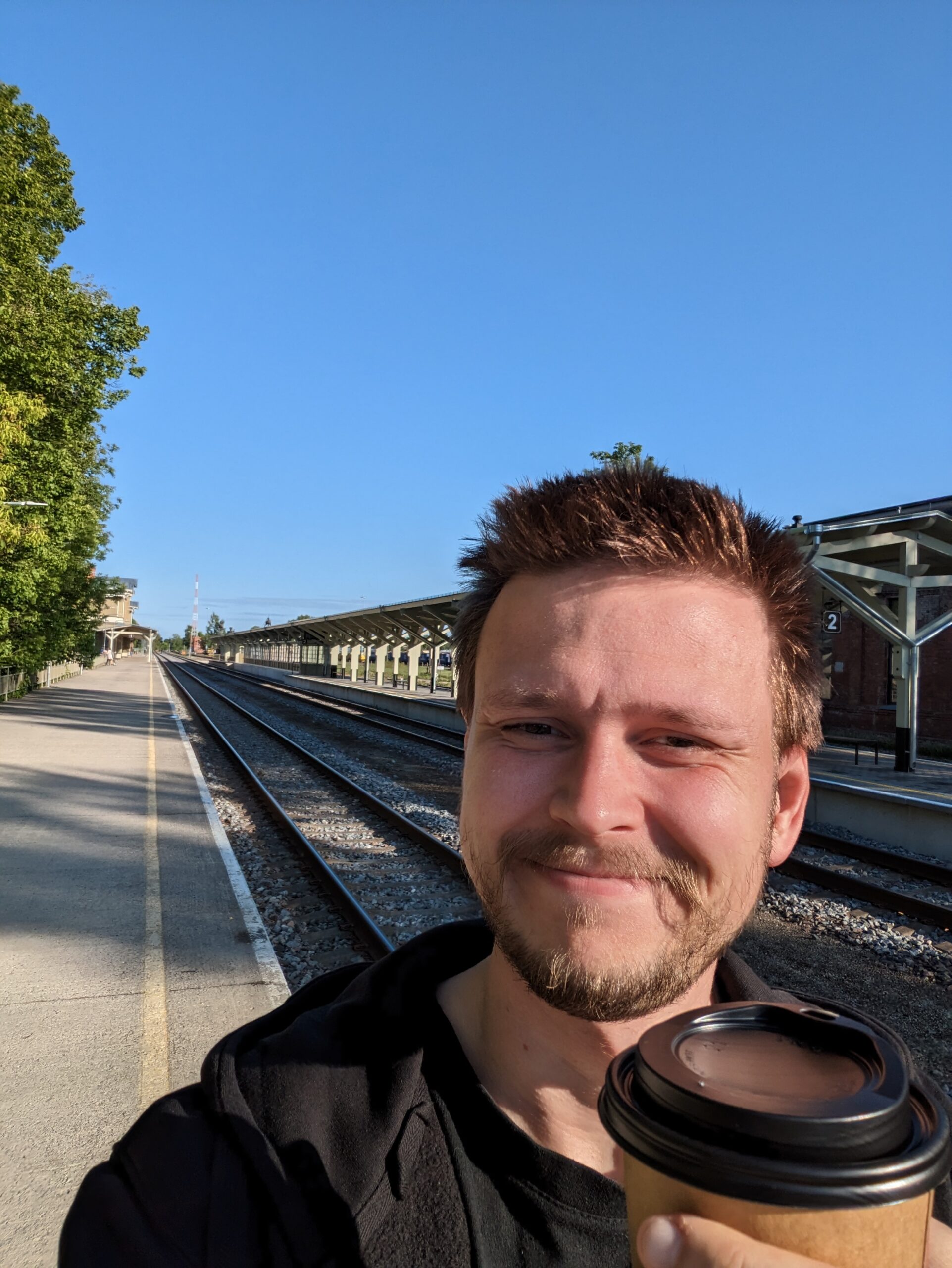
1. How did you get into youth work and how long have you been at TNTK?
I initially got into youth work through student organizations: AIESEC, NÕHK (Young Teacher's Hobby Club), and ÜKSA, or Ole Rohkem (Be More). At the time, I didn't directly realize we were doing youth work – we simply carried out projects, contributed to members' self-development, and honed leadership skills. From there, I essentially gained all the skills I've needed later in life. There has been no more developmental place than leading a student organization – especially when you have to solve all problems with a zero budget.
I have been at TNTK for about 3.5 years. I started with the SummerMoNo project because it could be done part-time. It seemed to align fairly well with my previous experiences and allowed me to continue my studies without burning out. Later, when the project ended, I was offered the opportunity to continue in the Lille youth center team.
There, I was able to start developing my billiards skills and experimenting more with digital tools. When we got virtual reality headsets, I immediately volunteered to be a tester. From then on, my journey has moved increasingly towards technology: how sound systems work, how to use screens better and more safely, how to use different consoles, and how to stream. This has finally led to digital youth work – initially, Siim Vares and I did these activities in our free time, but now there are projects where these activities are receiving increasing support in terms of both working hours and funding.
2. From February, you will also be a digital youth worker – what does this entail and why is such a position necessary?
A digital youth worker helps youth work extend to where young people spend a large part of their time – on Discord, Instagram, TikTok, Snapchat, Twitch, etc. There, young people can ask for information, receive initial advice, participate in online activities, and get referrals if needed.
There are many young people who never visit youth centers and cannot be 'reached' in the urban landscape, but they too would benefit from information: what opportunities are available to them, where to get help, and that they don't have to face their problems alone.
Additionally, we definitely organize game nights: CS2, Rocket League, Fortnite, Jackbox, quizzes, and simply chat & chill – discussing life, worries, and everything else that is currently important.
3. Are you also going to Game in Tartu, and what is your relationship with e-sports games? What do you like to do in your free time?
I'm still going. I've been following this project for about a year now, and there are such talented young people working there that sometimes I'm left speechless. They understand technical issues and my needs on a completely different level, so I have a lot to learn from them.
I'm not very good at e-sports myself: I've never consciously trained my skills in this area. But now I've had a chance to try it out a little more with the young people, and it's gradually developing – just like with billiards: at first I couldn't play at all, but now I'm playing with the young people, including some who are really good.
In my free time, I enjoy playing story-driven games with good music, for example. My best experience of the last year was 'Clair Obscure: Expedition 33', which rekindled my love for RPGs (role-playing games) – and I honestly recommend everyone try this game. This game made French sexy again. Additionally, it's fun to play board games and various group games with people.