

image

"Put that phone away!"

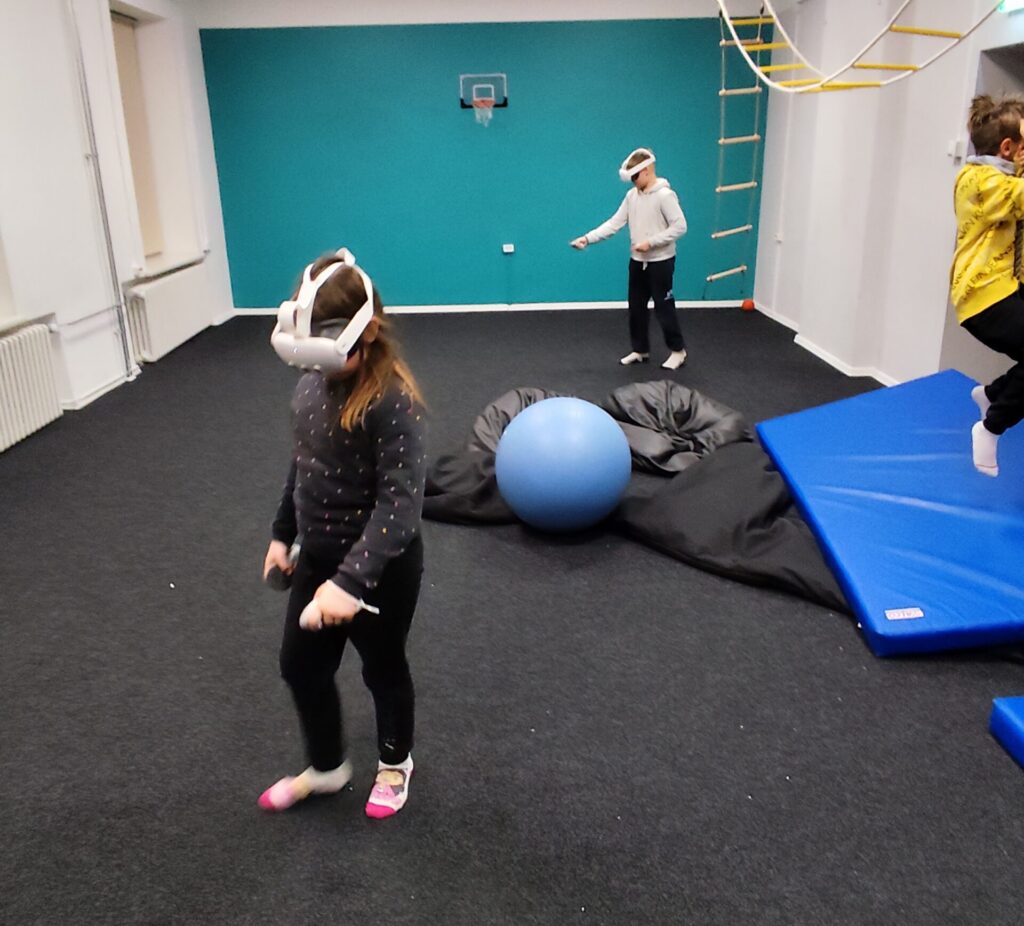
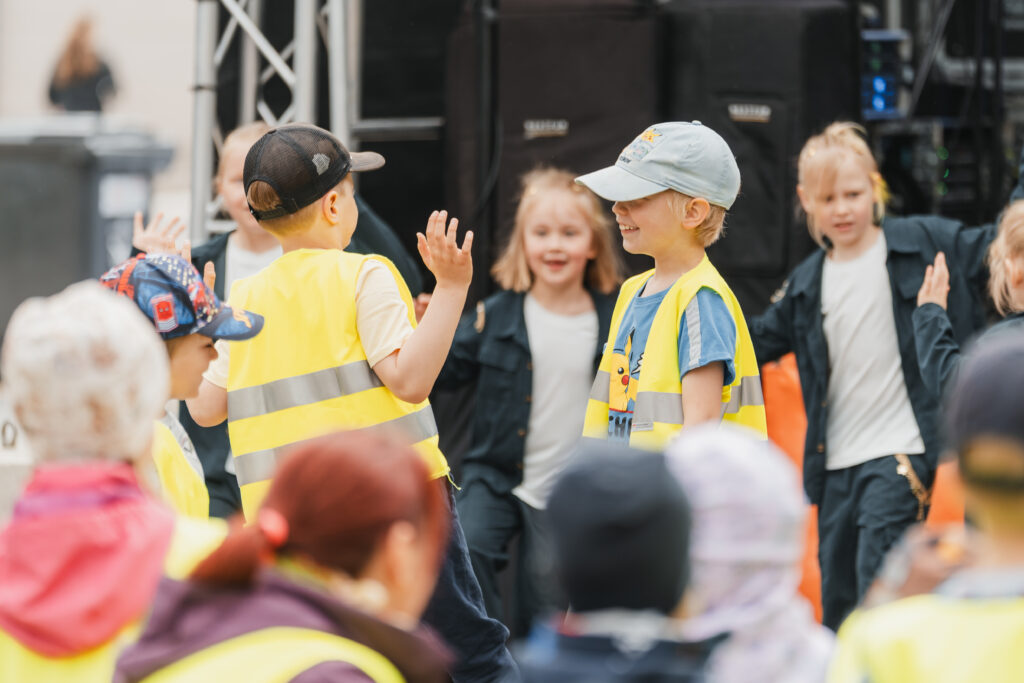
During the winter months, the days in the youth center become increasingly crowded, with young people bored, not in the mood for board games, but with no time for homework either. It is cold enough outside that no one wants to go out and play.But what can you do indoors when there is nothing to do? First, you have to spend hours looking at the game shelf, thoughtfully tilting your head from side to side, touching at least three games on that shelf, and then standing there. If you now feel brave enough, you can ask loudly if anyone wants to play something. Unfortunately, there was only one brave soul in our room and no one answered. Now there is a chance that the youth worker will take the bull by the horns and come and play with you. What...
image

Mobile Youth Work – Present Where Young People Are

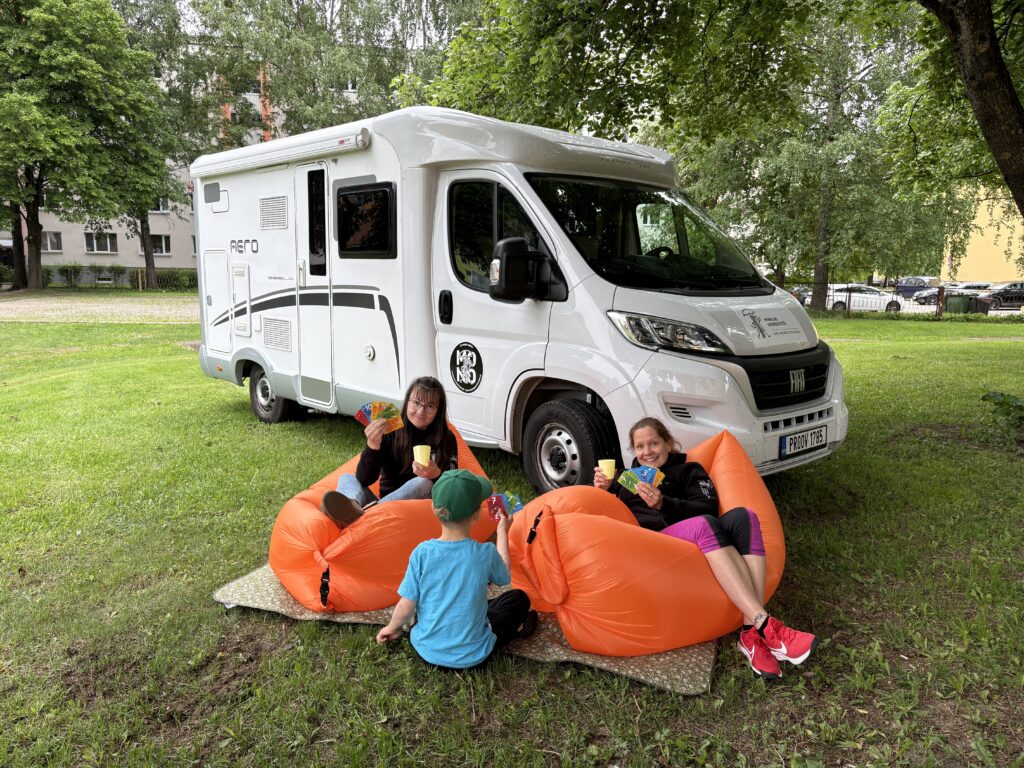
It's late afternoon. A group of young people stands in front of the shopping center. Some are scrolling on their phones, while others are simply chatting. Two adults approach them, neither asking why the young people are there nor telling them to leave. They don't immediately ask anything important, but simply say: "Hi, how's it going? Would you like to chat with us for a bit?" This is often how mobile youth work, or MoNo, begins. Mobile youth work means meeting young people in their own environments – on the street, in a park, skate park, bus stop, or even online. It is a form of youth work that moves with young people and adapts to their life rhythm and needs. A mobile youth worker does not wait for a young person to come to them – they...
image

Riin Juurma, Head of Lille Youth Centre: "I want every young person to dare to be truly themselves!"

Riin, the head of Lille Youth Centre and coordinator of mobile youth work, describes herself as coming from a classic background – a country child from Jõgeva, no stranger to hard work. Even as a child, she knew her calling and passion were connected to children and young people – dreaming of becoming a teacher back then. After high school, she went to Tallinn Pedagogical University, where she studied geoecology and marine biology, in addition to pedagogy. The woman reached her dream job: a school teacher, but only stayed for a year because she felt that it was not, after all, her true calling. Life then led her to Alam-Pedja, where she became an environmental education specialist for the Jõgeva-Tartu region of the Environmental Board. There, in cooperation with the Jõgeva Defence League's Youth work camp, she also created, for example…
image

30 years of Tartu youth work camps: share your story at the anniversary exhibition

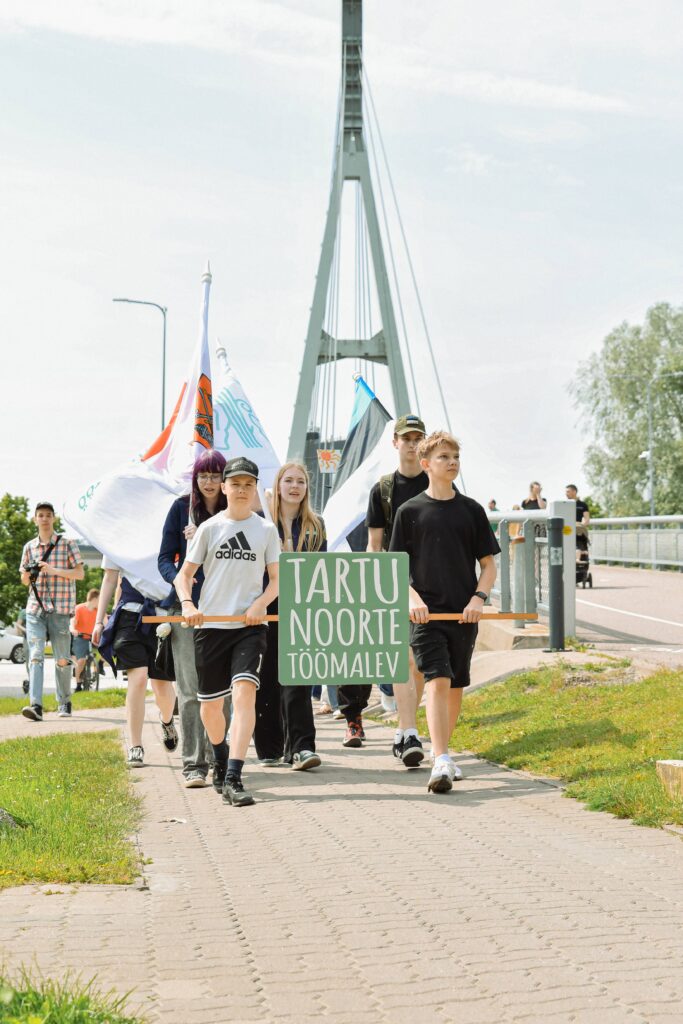
In 2026, the Tartu Youth Work Camp will celebrate its 30th year of operation. To mark this anniversary, a jubilee exhibition will open on April 17, 2026, in collaboration with the Tartu City Museum, telling the story of the Tartu Work Camp through people, memories, and objects. Former camp participants, group leaders, coordinators, and anyone who has been involved with the Tartu Youth Work Camp are invited to contribute to the creation of the exhibition. The exhibition aims to document and highlight the camp's role in the lives of young people and in the history of Tartu more broadly.   The camp is more than a summer job. The Tartu Youth Work Camp has not merely been an opportunity to work during the summer. For many, it has been their first job and salary, a place where important friendships were formed, and skills and experiences were gained,...
image

Maarja Enumäe: In Latvia, Searching for Project Partners 

Maarja Enumäe, director of the Anne Youth Center, recalls a project meeting in Latvia to find new project partners. Last October, we packed our bags and traveled to Riga, Latvia, for a week to participate in the Erasmus+ project "DigiBridge – Digital innovations for youth work." It was a learning mobility program for youth workers, the main goal of which was to bring together people from different countries, develop project ideas together, and strengthen cooperation between different organizations. We spent the week with inspiring people, learning more about the world of projects. Led by the Latvian organization Association of Educational Games and Methods, different workshops and activities took place every day, and over the course of the week, we developed project ideas from scratch into a real team and written ideas. Among others, people from Estonia, Latvia, Lithuania, and other countries were present.
image

Young people's escape into the world of knowledge

Active young people who gathered at the Tartu Youth Work Center in August have been carrying out the “Idea Blower” project “Where are the KNEES???” in recent months. The project focused on developing mental health knowledge among peers in a playful way. For this purpose, the project team created an escape suitcase, which was simultaneously both a game and a learning opportunity. At the project team's first meeting, a heartfelt topic was found in the form of peers' mental health. Soon, the idea of the escape suitcase was born. After a training in Safecracker's escape room, more active and inspired young people joined the team, and together they designed and assembled a portable game, which they began to use for visits to both schools and youth centers. “Young people seemed interested, and eventually, the execution was already natural,” they commented on the games at Tamme Gymnasium and…
image

Youth Worker Julia Barsukova: Nurturing Your Own Life Path Is Beneficial

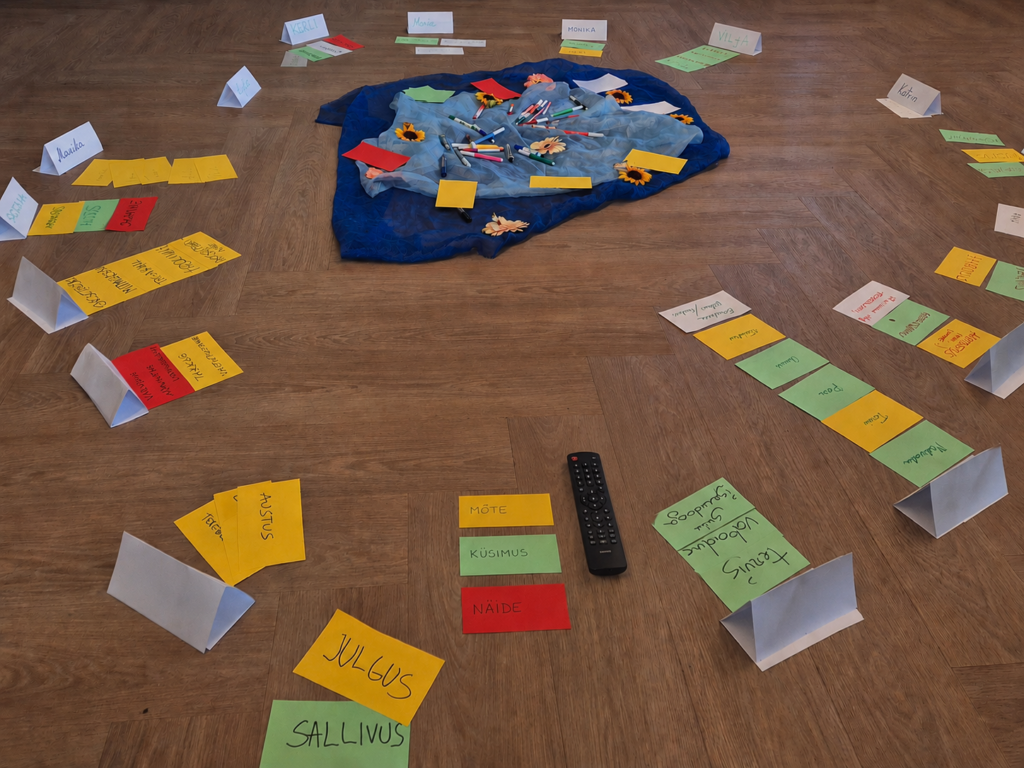
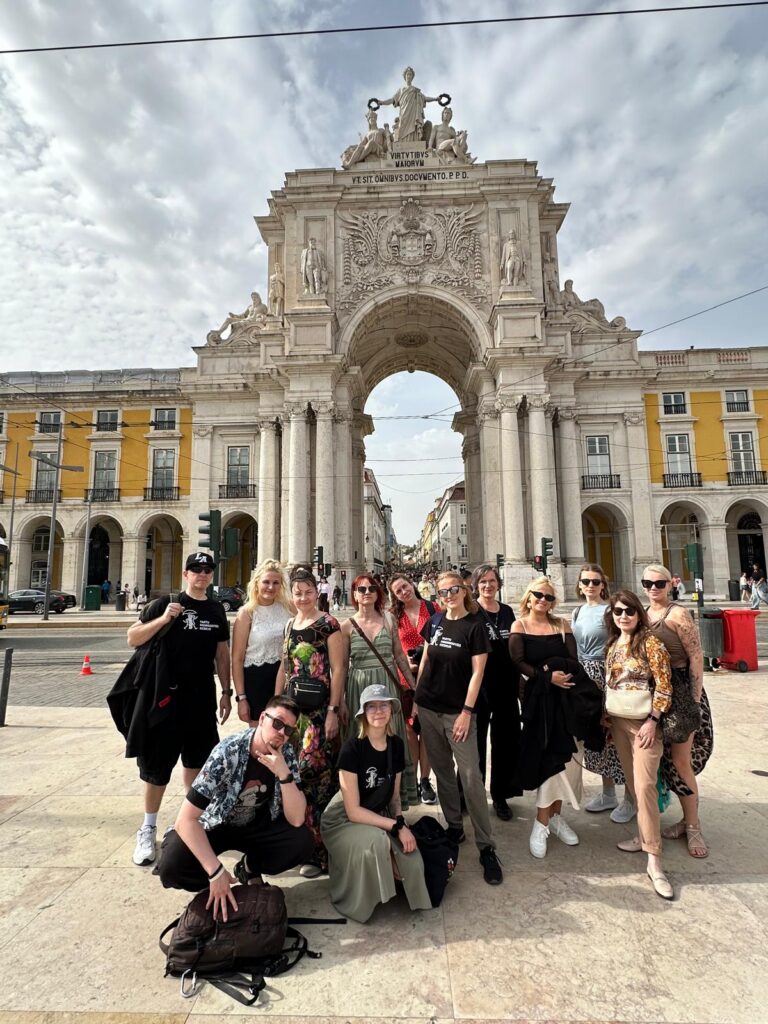
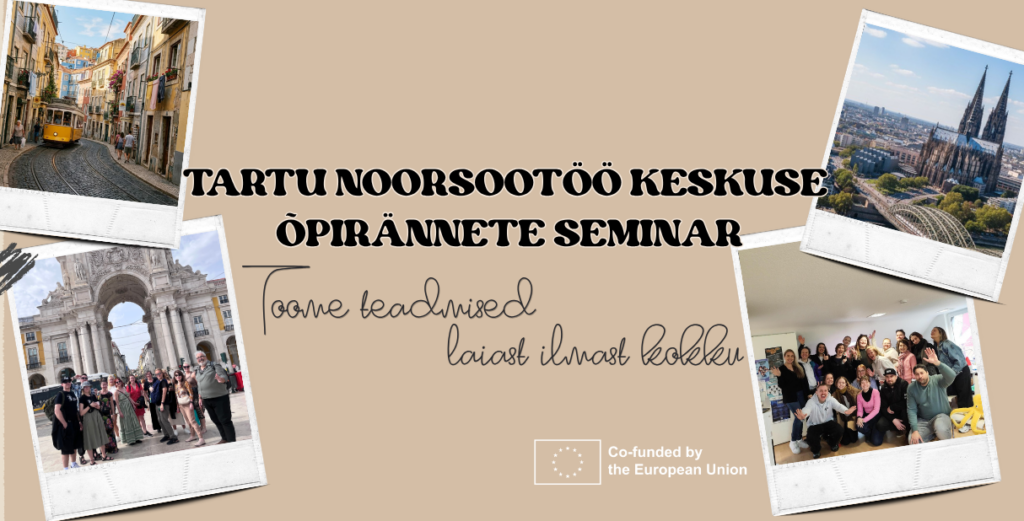
I want to share a method with you that is exciting and useful, suitable for both young people and youth workers for self-reflection. I learned this at an international training course 'Mindful Bridges', which took place from September 7-13 in Portugal, and it seemed like a very valuable method for self-discovery. The method was authored by David Denborough, a narrative therapy specialist and community practitioner from the Dulwich Centre in Australia, who described it in his book 'Retelling the Stories of Our Lives: Everyday Narrative Therapy to Draw Inspiration and Transform Experience' under the name 'The Tree of Life'. The method was further developed by Zimbabwean psychologist and narrative therapist Ncazelo Ncube-Mlilo and popularized by storyteller and blogger Nathan B. Weller. The Tree of Life method is used to support people who have…